

Kansas City
Cold-Weather Concrete in Kansas City: Planning for the Days You Lose
A Kansas City winter does not stop commercial concrete. It changes what the schedule has to account for — and the crews who get through on time are the ones whose sequence already assumed the loss.
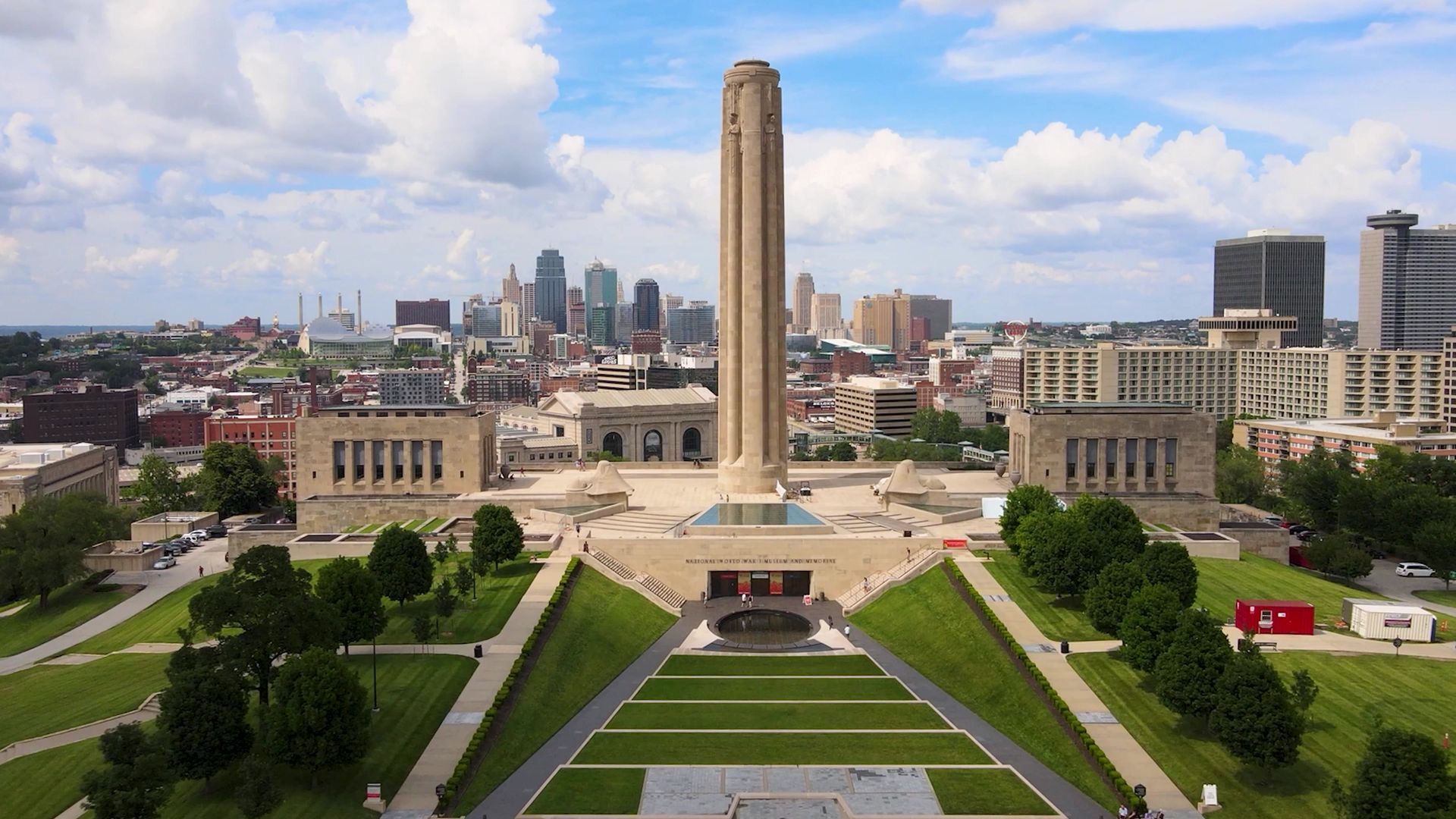
Kansas City gives you a handful of genuinely unworkable days each winter, and a much larger number of days that are workable if — and only if — somebody planned for them.
That ratio is the whole point. Winter does not remove months from a programme; it removes the slack that made an unplanned programme survivable. A sequence with room in it loses the unworkable days and keeps going. A sequence built on everything going right loses considerably more than the weather took.
Plan the sequence, not the forecast
You cannot schedule around weather four weeks out. What you can do is sequence the work so weather-sensitive placements sit where a lost day costs least, and so a crew always has an alternative face to work.
- Interior slabs-on-grade and enclosed elements move up in the sequence.
- Exposed foundations and long deck pours get the widest available window.
- Material staging assumes a frozen, muddy site rather than a dry one.
The third one is the least glamorous and the most frequently skipped. A laydown area that works in September is a different place in February: trucks cannot reach it, bundles freeze into the ground, and clearing it to find the next bundle costs a crew an hour before they have placed a bar. Staging for a frozen site means less steel on the ground at once, sited where it can be cleared and reached.
The "alternative face" point is what separates a plan from a hope. A crew that can only work the element that is currently unpourable is a crew standing down. A sequence that always has an enclosed or interior face available converts a lost pour into a redirected day.
What actually changes for reinforcement
Steel does not care about the cold. Handling does. Gloves cost dexterity, ice on a mat costs footing, and a shortened working day compresses the inspection window at exactly the moment you can least afford it.
Ice and snow also have to be off the steel and out of the forms before concrete arrives — which is real time on a cold morning, and it belongs in the plan rather than in the pour window.
Two consequences follow from that, and both are worth pricing.
The inspection window absorbs the weather. The gap between the last tie and the concrete exists so the work can be walked and cover verified. In winter it also has to absorb snow clearing and ice removal. A sequence that left no slack in September has none to give in January, and the compression shows up either as a delayed pour or as an inspection that happened before the snow did.
Ice on bar is a bond problem, not a tidiness one. A bar encased with ice on it has a void around it once the ice melts, and bond is the mechanism the whole element depends on. Clearing a large mat properly is hours, and hours that were not planned come out of the only window that had any give in it.
Dexterity deserves a mention too, because it is invisible in a schedule. Tying is a fine motor task, and a crew in heavy gloves at nine degrees is slower and less consistent than the same crew in October — which lands on the parts of the work that produce no visible product and that nobody can check afterwards.
Cold-weather concreting itself
Protection, heating and curing are the concrete contractor's scope, but they interact with ours: protection has to go on quickly after placement, and that is easier when access was thought about while the steel was still being placed.
The interaction runs the other way too. Hoarding, blankets and heaters occupy the space crews planned to walk and stage in, so an enclosure erected for the concrete changes the access a reinforcement sequence assumed. Agreeing where protection goes — and when — while the steel is being planned costs a conversation; discovering it on the morning costs the route.
Worth knowing for anyone pricing a package: winter protection and access under hoarding are ordinary scope questions and both are commonly excluded. A programme running through the season should check what the bid assumed rather than find out in January.
The regional version
Freeze-thaw cycling is the reason Kansas City is hard on concrete generally — it is what drives the deterioration you see in older decks and garages around the metro. Cover and corrosion protection matter more here than in a mild climate, and they are decided at reinforcement, not at finishing.
The mechanism is worth stating because it connects winter to decisions made months earlier. Water that has penetrated a microcrack expands when it freezes, widening the crack it arrived through; the wider crack admits more water and more chloride from de-icing salt, and the cycle runs every winter for the life of the structure. That is why parking structures and bridge decks in this metro fail from the reinforcement outward, and why achieved cover and corrosion protection are durability purchases rather than specification details.
A structure built in a freeze-thaw climate is being asked to survive an annual cycle that a mild-climate structure never sees. The decisions that determine whether it does are made when the steel is placed, by people working in gloves, on a cold morning, on a mat somebody has just cleared of snow.
The short version
The crews who get through a Kansas City winter on schedule are not the ones who worked in worse conditions. They are the ones whose sequence already accounted for the days they were going to lose.
If you are planning a programme that runs through the season and want the reinforcement sequence looked at with that in mind, that is a conversation worth having. If you are still assembling the bid list, the checklist for hiring a reinforcement contractor covers what to ask first.